Exploring the Supply Chain between Bangladesh and Rotterdam, Netherlands
Category : | Sub Category : Posted on 2024-10-05 22:25:23
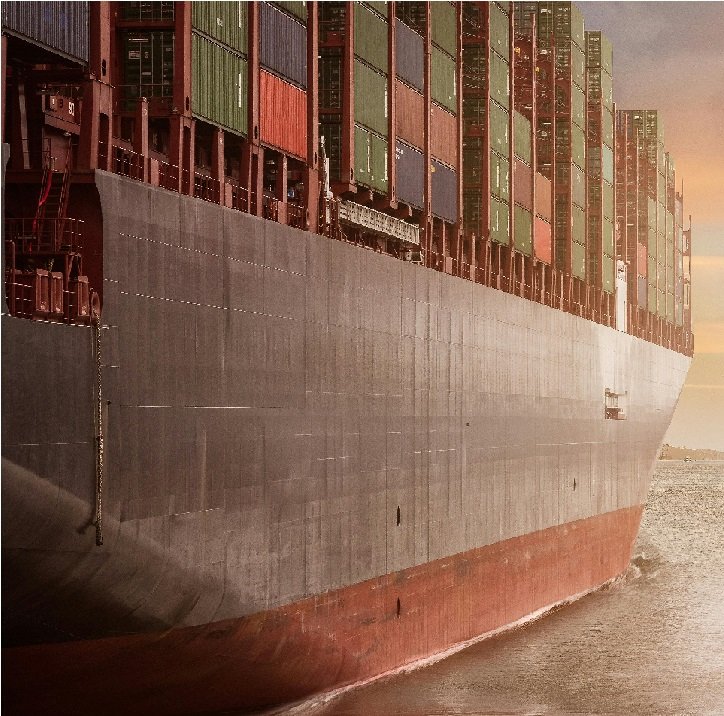
In the globalized world of trade and commerce, supply chains play a crucial role in ensuring the efficient movement of goods from production centers to consumers worldwide. One such supply chain route connects Bangladesh, a major manufacturing hub in South Asia, to Rotterdam, Netherlands, Europe's largest port city. Let's delve deeper into how this supply chain operates and the significance it holds for both countries. Bangladesh, known for its ready-made garment industry, is a key player in the global supply chain network. The country exports a vast array of products, including textiles, apparel, leather goods, and pharmaceuticals, to markets around the world. Rotterdam, on the other hand, serves as a gateway to Europe and beyond, handling millions of tons of cargo every year. The supply chain between Bangladesh and Rotterdam is primarily maritime-based, with goods being transported via container ships. The journey typically starts at the manufacturing facilities in Bangladesh, where products are produced and packaged for export. Once ready, these goods are loaded onto containers and transported to the port of Chittagong, the largest seaport in Bangladesh. From Chittagong, the containers embark on a journey across the Indian Ocean and through the Suez Canal to reach the Mediterranean Sea. They then enter the European waters, making their way to the Port of Rotterdam, which serves as a major transshipment hub for goods entering Europe. Upon arrival in Rotterdam, the containers are unloaded and go through customs clearance and inspection procedures. The goods are then either stored in warehouses or loaded onto trucks, trains, or barges for distribution to various destinations across Europe. Rotterdam's strategic location and well-developed infrastructure make it an ideal entry point for goods destined for the European market. The supply chain between Bangladesh and Rotterdam is crucial for both countries' economies. For Bangladesh, it provides access to the lucrative European market, boosting export revenues and creating employment opportunities. Rotterdam benefits from handling a diverse range of goods from Bangladesh, enhancing its position as a key logistics hub in Europe. In conclusion, the supply chain between Bangladesh and Rotterdam exemplifies the interconnected nature of global trade. As goods traverse vast distances through a network of ports, ships, and transportation modes, they create economic opportunities and foster cooperation between countries. This supply chain not only facilitates the efficient movement of goods but also showcases the importance of international trade in driving economic growth and prosperity.
Leave a Comment:
SEARCH
Recent News
- Zurich, Switzerland is known for its efficient and reliable transportation infrastructure, making it an ideal location for implementing automated shipping technologies. With its advanced logistics network and focus on innovation, Zurich is at the forefront of the automated shipping industry.
- Zurich, Switzerland and Amsterdam, Netherlands are both major transportation hubs in Europe. For businesses looking to ship goods internationally, utilizing freight forwarding companies is an essential part of the process. In this blog post, we will discuss some of the top freight forwarding companies in Amsterdam specializing in port services.
- Zurich, Switzerland and Amsterdam, Netherlands are both major international hubs for trade and commerce. When it comes to importing goods into these cities, one crucial step is customs clearance at the ports. Let's take a closer look at the customs clearance process at Amsterdam Port and Zurich Port.
- YouTube Content Creation and Translation for Amsterdam Port Freight Forwarding Companies
- Automated Shipping: Transforming E-Commerce on YouTube Channels
- Amsterdam Port Freight Forwarding Companies: Top YouTube Channels to Follow
- Amsterdam Port Customs Clearance: What You Need to Know
- In today's fast-paced world, the ability to adapt and develop new skills is crucial for staying relevant in the workforce. One industry that has seen significant growth and innovation in recent years is automated shipping. As more companies turn to automation to streamline their operations and improve efficiency, the demand for employees with skills in this area has also increased.
READ MORE
10 months ago Category :

Zurich, Switzerland is known for its efficient and reliable transportation infrastructure, making it an ideal location for implementing automated shipping technologies. With its advanced logistics network and focus on innovation, Zurich is at the forefront of the automated shipping industry.
Read More →10 months ago Category :

Zurich, Switzerland and Amsterdam, Netherlands are both major transportation hubs in Europe. For businesses looking to ship goods internationally, utilizing freight forwarding companies is an essential part of the process. In this blog post, we will discuss some of the top freight forwarding companies in Amsterdam specializing in port services.
Read More →10 months ago Category :

Zurich, Switzerland and Amsterdam, Netherlands are both major international hubs for trade and commerce. When it comes to importing goods into these cities, one crucial step is customs clearance at the ports. Let's take a closer look at the customs clearance process at Amsterdam Port and Zurich Port.
Read More →10 months ago Category :
