Navigating the Complexities of Supply Chain Shipping Attestation and Certification
Category : | Sub Category : Posted on 2024-10-05 22:25:23
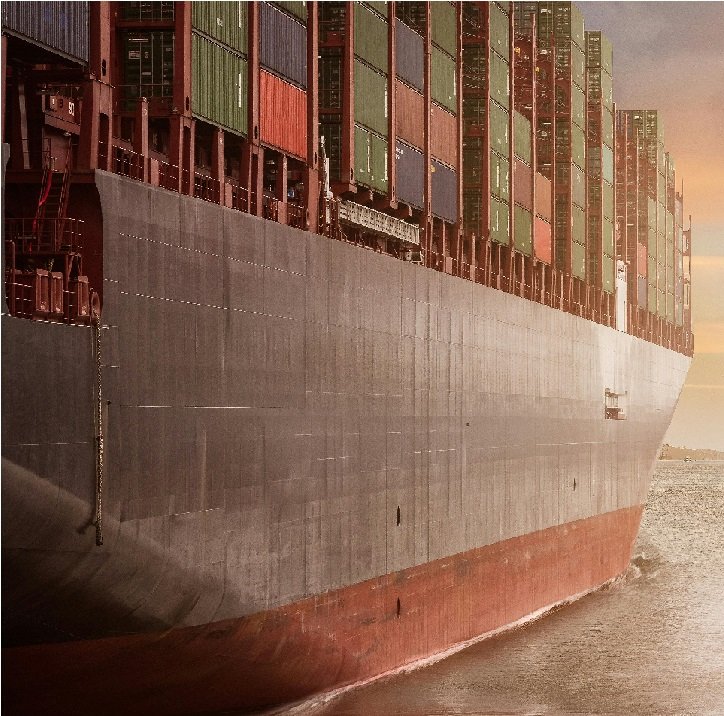
In the fast-paced world of supply chain management, ensuring the integrity and authenticity of goods being transported is of utmost importance. With the rise of global trade and the increasing demand for transparency, supply chain shipping Attestation and certification have become critical components in maintaining supply chain efficiency and trust among stakeholders. Supply chain shipping attestation refers to the process of providing evidence or testimony to corroborate the authenticity and accuracy of information related to the shipment of goods. This can include documenting the origin of products, verifying compliance with regulations, and confirming the condition of goods during transit. Attestation helps in creating a transparent and accountable supply chain by reducing the risk of fraud, counterfeiting, and non-compliance. Certification, on the other hand, involves attesting that certain standards or requirements have been met. In the context of supply chain shipping, certification can relate to various aspects such as quality control, environmental sustainability, safety standards, and ethical sourcing practices. By obtaining certifications from reputable organizations or regulatory bodies, businesses can demonstrate their commitment to responsible and ethical supply chain management. One of the key challenges in supply chain shipping attestation and certification is the complexity of global supply chains. With products passing through multiple countries, transportation modes, and intermediary parties, it can be difficult to track and verify the entire journey of goods. This is where technology plays a crucial role in enabling transparency and traceability in supply chains. Blockchain technology, for example, offers a decentralized and immutable ledger that can record every transaction and movement of goods along the supply chain. This technology allows for secure and transparent data sharing among stakeholders, making it easier to verify the authenticity and compliance of shipments. By leveraging blockchain-based platforms, businesses can streamline the attestation and certification process, reduce administrative overhead, and enhance supply chain visibility. Moreover, industry-specific initiatives and standards, such as the ISO 28000 for supply chain security management or the Responsible Jewellery Council certification for ethical sourcing in the jewelry industry, provide guidelines and frameworks for businesses to enhance their supply chain shipping practices. In conclusion, supply chain shipping attestation and certification are essential tools for maintaining trust, accountability, and sustainability in today's complex supply chains. By implementing robust attestation processes, obtaining relevant certifications, and leveraging technology solutions, businesses can demonstrate their commitment to responsible supply chain management and meet the evolving expectations of consumers and regulators alike. For a broader exploration, take a look at https://www.torotterdam.com Want a more profound insight? Consult https://www.toantwerp.com For valuable insights, consult https://www.tohamburg.com also click the following link for more https://www.envoyer.org
Leave a Comment:
SEARCH
Recent News
- Zurich, Switzerland is known for its efficient and reliable transportation infrastructure, making it an ideal location for implementing automated shipping technologies. With its advanced logistics network and focus on innovation, Zurich is at the forefront of the automated shipping industry.
- Zurich, Switzerland and Amsterdam, Netherlands are both major transportation hubs in Europe. For businesses looking to ship goods internationally, utilizing freight forwarding companies is an essential part of the process. In this blog post, we will discuss some of the top freight forwarding companies in Amsterdam specializing in port services.
- Zurich, Switzerland and Amsterdam, Netherlands are both major international hubs for trade and commerce. When it comes to importing goods into these cities, one crucial step is customs clearance at the ports. Let's take a closer look at the customs clearance process at Amsterdam Port and Zurich Port.
- YouTube Content Creation and Translation for Amsterdam Port Freight Forwarding Companies
- Automated Shipping: Transforming E-Commerce on YouTube Channels
- Amsterdam Port Freight Forwarding Companies: Top YouTube Channels to Follow
- Amsterdam Port Customs Clearance: What You Need to Know
- In today's fast-paced world, the ability to adapt and develop new skills is crucial for staying relevant in the workforce. One industry that has seen significant growth and innovation in recent years is automated shipping. As more companies turn to automation to streamline their operations and improve efficiency, the demand for employees with skills in this area has also increased.
READ MORE
10 months ago Category :

Zurich, Switzerland is known for its efficient and reliable transportation infrastructure, making it an ideal location for implementing automated shipping technologies. With its advanced logistics network and focus on innovation, Zurich is at the forefront of the automated shipping industry.
Read More →10 months ago Category :

Zurich, Switzerland and Amsterdam, Netherlands are both major transportation hubs in Europe. For businesses looking to ship goods internationally, utilizing freight forwarding companies is an essential part of the process. In this blog post, we will discuss some of the top freight forwarding companies in Amsterdam specializing in port services.
Read More →10 months ago Category :

Zurich, Switzerland and Amsterdam, Netherlands are both major international hubs for trade and commerce. When it comes to importing goods into these cities, one crucial step is customs clearance at the ports. Let's take a closer look at the customs clearance process at Amsterdam Port and Zurich Port.
Read More →10 months ago Category :
